

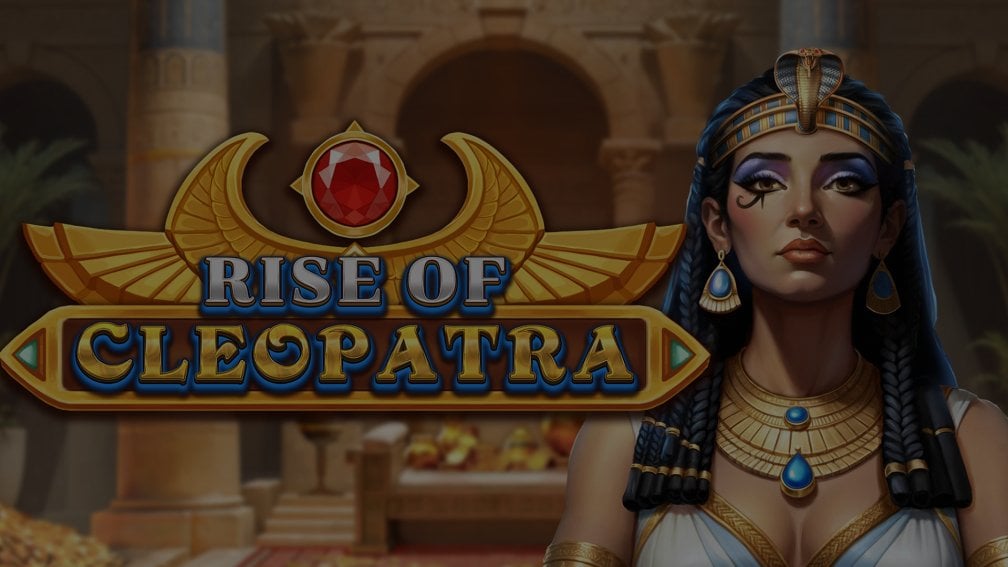
I’ve devoted countless hours playing reels that deliver something different, and nothing grabs my attention quite like a shifting wilds mechanic. The first time I opened Cash of Cleopatra free spins bonus, I noticed right away that its shifting wilds aren’t just a flashy add‑on. They transform how you interpret every spin. Instead of static symbols that sit still, these wilds shift across the grid, creating chain reactions that can turn a dead spin into a payout. I’ll guide you through exactly how shifting wilds operate inside this game, what they signify for your session, and how the rest of the slot supports them. If you’ve ever thought why a moving wild counts, you’re in the right spot.
RTP and Volatility: What You Can Anticipate from Each Spin
Comprehending the Player Return
The calculated payout (RTP) of Cash of Cleopatra is approximately 96%, which is in accordance with the industry average for today’s video slots. That number represents the long‑term expected payback over vast numbers of spins, not what you can expect in a individual session. I inform players that RTP is a theoretical indicator, not a guarantee, and short‑term results can fluctuate dramatically in any direction. You can check the exact RTP by opening the game’s information screen, where the provider is obligated to show it. A 96% RTP implies that for each £100 staked over a vast number of spins, the game is programmed to give back £96 on average, with the casino holding £4.
Volatility and Your Playing Style
Cash of Cleopatra operates with moderate-to-high variance, which directly influences how the shifting wilds are perceived during play. In practical terms, you’ll encounter periods where wins are infrequent but the changing wilds keep hope alive, then followed by spurts where numerous wilds converge and provide a substantial payout. This fluctuation style fits my style because I enjoy the anticipation of waiting for a feature to trigger, but it won’t suit everyone. If you prefer a steady stream of small wins, you could find the barren periods frustrating. I advise beginning with smaller wagers to determine how the game’s flow suits your nature before increasing your bets.
Max Win Potential and Guidance for Playing
The highest win in Cash of Cleopatra is typically capped at around 5,000 times your stake, a number that becomes achievable almost exclusively during the free spins feature when sticky shifting wilds rule the grid. To achieve that limit, you require a ideal combination of wilds landing, shifting, and locking onto the early reels while high‑value symbols fill the remaining positions. I consider this as a long‑term goal rather than something I anticipate to hit in every single session. The game’s medium‑to‑high volatility means big wins are feasible but require patience and a bankroll that can absorb the quieter stretches.
My advice is to begin with a bet size that lets you endure at least 150 to 200 spins per session, because the shifting wilds mechanic pays off staying power. Establish the autoplay loss limit to shield yourself from chasing, and be mindful to how many wilds are currently travelling across the reels. If you notice three or more wilds in motion, that’s often a sign that a cluster is forming, and I might nudge my bet up a bit to capitalise. Keep in mind that shifting wilds are a instrument for entertainment, not a guaranteed income stream. Appreciate watching Cleopatra’s wilds drift across the screen, and just let the wins come when they’re ready.
Stake Options and How to Get Started
Getting started in Cash of Cleopatra is simple, and the betting range accommodates careful players and those who enjoy more risk. You adjust your total bet per spin using clearly marked plus and minus buttons beneath the reels, with the minimum stake usually beginning at 20 pence and the maximum reaching £100 or more, according to the casino hosting the game. I recommend checking the exact limits in the paytable because different platforms can sometimes present slightly different ranges. The interface displays your current bet in real currency, so there’s no confusion with coin values that need mental arithmetic.
Before you hit spin, pause to set a session limit that fits your comfort zone. Because shifting wilds can generate streaks of smaller wins while you wait for a big cluster, it’s simple to fall into a faster rhythm than you planned. I tend to use the autoplay function with a loss limit and a single‑win stop, which lets the game run while I watch the wilds travel without constantly clicking. Autoplay settings are located in a separate menu, and you can adjust up to 100 automatic spins. Just remember that autoplay doesn’t change the odds. It only alters how you interact with the game.
The Ancient Egyptian Theme of Cash of Cleopatra
Cash of Cleopatra wraps its shifting wilds in a lavishly adorned Ancient Egyptian setting that seems familiar yet polished. The backdrop presents a golden sunset over the Nile, with hieroglyph‑covered columns framing the reels. Symbols include the Eye of Horus, scarab beetles, ankh crosses, and ornate playing‑card royals carved from stone. The colour palette relies strongly on deep golds, turquoise, and sandy browns, which keeps the atmosphere warm and immersive without becoming visually overwhelming. I value that the design does not depend on cheap cartoon effects. Instead, it aims for a more elegant, treasure‑hunt feel.
Sound design serves a supporting role that I think many players ignore. When the reels spin, you hear a soft, rhythmic drumbeat mixed with the rustle of desert wind. Winning combinations trigger a harp‑like flourish, and the appearance of a shifting wild is announced by a distinct metallic chime that breaks through the background music. These audio cues aren’t just decoration; they assist you monitor what’s happening without staring at the screen every second. For me, the theme excels because it establishes a consistent mood that makes the shifting wilds feel like part of an unfolding story rather than a random mechanic.
Free Spins and Extra Bonus Features
Initiating the Free Spins Round
Landing three, four, or five gold pyramid scatter symbols at any position on the reels grants an starting batch of free spins, with additional scatters providing you a greater starting count. Usually, three scatters award 10 free spins, four scatters give 15, and five scatters activate 20. The scatter payout itself is boosted by your total bet and deposited to your balance before the feature commences. I experience a small rush when the third scatter drops because the screen goes dark, the music grows stronger, and you know the shifting wilds are going to become more potent during the free spins. Re-triggers are available during the feature, usually by landing additional scatters, which can lengthen the round considerably.
Unique Upgrades During Free Spins
During the free spins round, shifting wilds gain an extra ability that changes the feature. In place of fading after they shift off reel one, these wilds become sticky for the duration of the free spins, adhering to the leftmost reel they get to. This implies a wild that goes all the way to reel one will stay there until the feature concludes, while new shifting wilds carry on to enter and travel leftward. I’ve seen bonus rounds where three sticky wilds attached onto the first three reels, making almost every spin into a winner. Some versions of the game also apply a win multiplier that rises with each sticky wild acquired, though you ought to check the game rules for the specific multiplier progression. The blend of moving wilds and constant sticky wilds makes the free spins round the best part of Cash of Cleopatra for me.
Base Game Icons and Payments
The paytable in Cash of Cleopatra is separated between premium themed symbols and lesser royal cards. Cleopatra herself is the top icon, giving a handsome prize for five on a payline, while the scarab and Eye of Horus occupy the mid tier. The carved A, K, Q, J, and 10 signs finish the bottom end, and they occur frequently enough to maintain your bankroll increasing during base‑game play. I consider the pair regulation for Cleopatra because it means you’re seldom distant from at least a minor return when her icon appears on reels 1 and 2.
Wild signs stand in for all normal prize symbols but can’t replace the scatter. In Cash of Cleopatra, the wild is also the moving wild, which indicates every wild you spot is already in motion. This double role makes wild icons exceptionally useful. They fill paying combos on the current round and promise later usefulness as they shift. The scatter icon is a gold pyramid and is the essential element to unlocking the free spin feature. Scatters give everywhere on the reels, not just on active lines, so getting three and more assures a scatter reward on top of triggering the bonus feature. I consider that tracking scatter occurrence provides me with a good idea of how close I am to the free spins feature.
Rows Lines, and Payout Setup
Reel Setup and Symbol Locations
Cash of Cleopatra uses a conventional five‑column, three‑line layout that the majority of slot players will find familiar from the start. There are zero unusual reel shapes or expanding rows in the main game, which maintains the attention firmly on the shifting wilds and how they combine with the set layout. Each reel contains three symbol positions, offering you a overall of fifteen visible spots on any spin. This common setup indicates you can swiftly evaluate where a wild has landed and foresee its trajectory without having to decipher a intricate grid. I think the straightforwardness is a advantage here because it allows the shifting mechanic to excel free from any diversions.
Paylines and Successful Matches
The game runs on 20 static paylines that award from the left side to the right side, commencing from the initial reel. You are not able to modify the amount of active lines, which takes away one decision from your configuration and allows you to center on bet size. Winning matches demand at least 3 same symbols on a payline, excluding for the top‑value Cleopatra symbol, which pays out for just 2 of a type. As shifting wilds travel leftward, they naturally align with the left‑to‑right payout orientation, often finishing or prolonging lines that would in other circumstances be lacking. I’ve noticed that a wild starting on reel four can rescue a two‑symbol near‑miss on reels one and two when it moves into reel 3 on the next spin.
The Shifting Wilds Feature at Work
How Drifting Wilds Progress Across the Reels
When a wild lands on any reel during the base game, it doesn’t vanish after the spin resolves. Rather, it lingers on the grid and shifts one position to the left on every subsequent spin. A wild that shows up on reel five will shift to reel four on the next spin, then reel three, reel two, reel one, and finally exit the grid. This motion happens automatically, and you can watch the wild icon physically glide across the screen, which provides a satisfying visual cue. I’ve figured out to count the remaining life of each wild, because knowing that a valuable wild has two more shifts left allows me to determine whether to increase my bet a bit or stay patient.
Influence on Winning Combinations
The leftward drift of shifting wilds is perfectly suited with the game’s left‑to‑right payline structure. A wild that begins on reel three might not finish a win immediately, but as it moves to reel two it can suddenly match high‑value symbols on reels one and three. I’ve observed a single wild cause three consecutive wins as it travelled across the grid, each time matching with different symbols that landed on the other reels. This cascading potential is what separates shifting wilds from standard sticky wilds. The feature doesn’t merely keep a wild; it actively repositions it to where it’s most likely to help. When multiple shifting wilds are in play, they can create temporary wild stacks that span entire reels for a spin or two, producing the game’s most memorable base‑game payouts.
How Do Shifting Wilds — Explained
Shifting wilds are a special type of wild symbol that isn’t stuck in one position after landing. In Cash of Cleopatra, a shifting wild appears as a glowing Cleopatra icon, and once it reaches the reels it begins a journey. On every subsequent spin, that wild shifts one reel to the left, continuing until it exits the leftmost edge of the grid. This implies a single wild can help create wins across multiple spins, not just the one where it first appeared. I love this mechanic because it brings a layer of anticipation that makes every spin feel important. You’re looking for new symbols, but you’re also following where your existing wilds will travel next.
The real magic takes place when multiple shifting wilds are active at the same time. Because they move independently, you can end up with two or three wilds clustered together, enhancing your chances of landing a high‑value combination. I’ve had sessions where a wild that started on reel five moved leftward and encountered a fresh wild on reel three, creating a chain that covered half the grid. That kind of overlap is what makes shifting wilds feel rewarding. It’s a feature that pays off patience and provides you a reason to stay engaged even during a string of base‑game spins that might otherwise feel quiet.